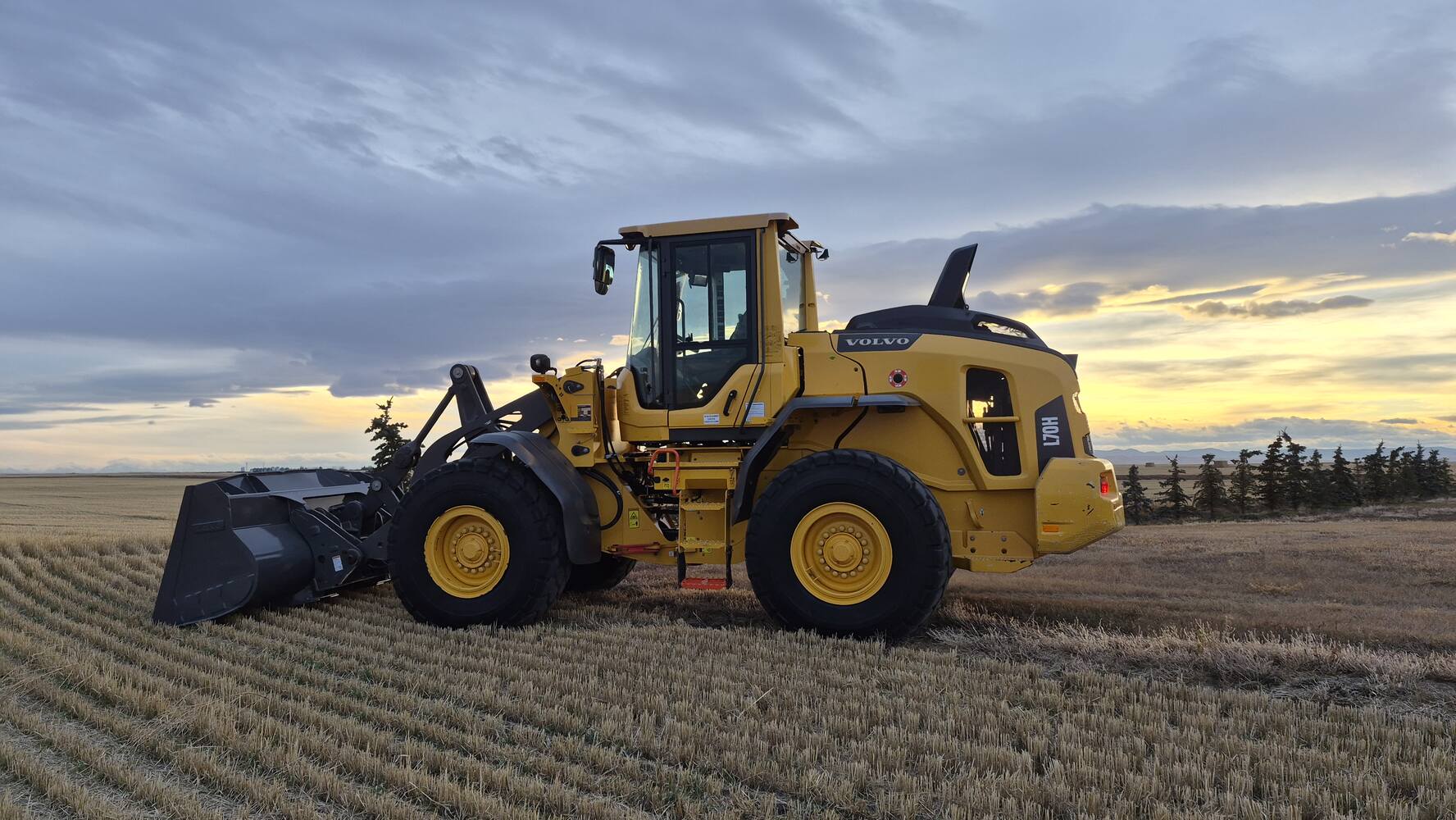
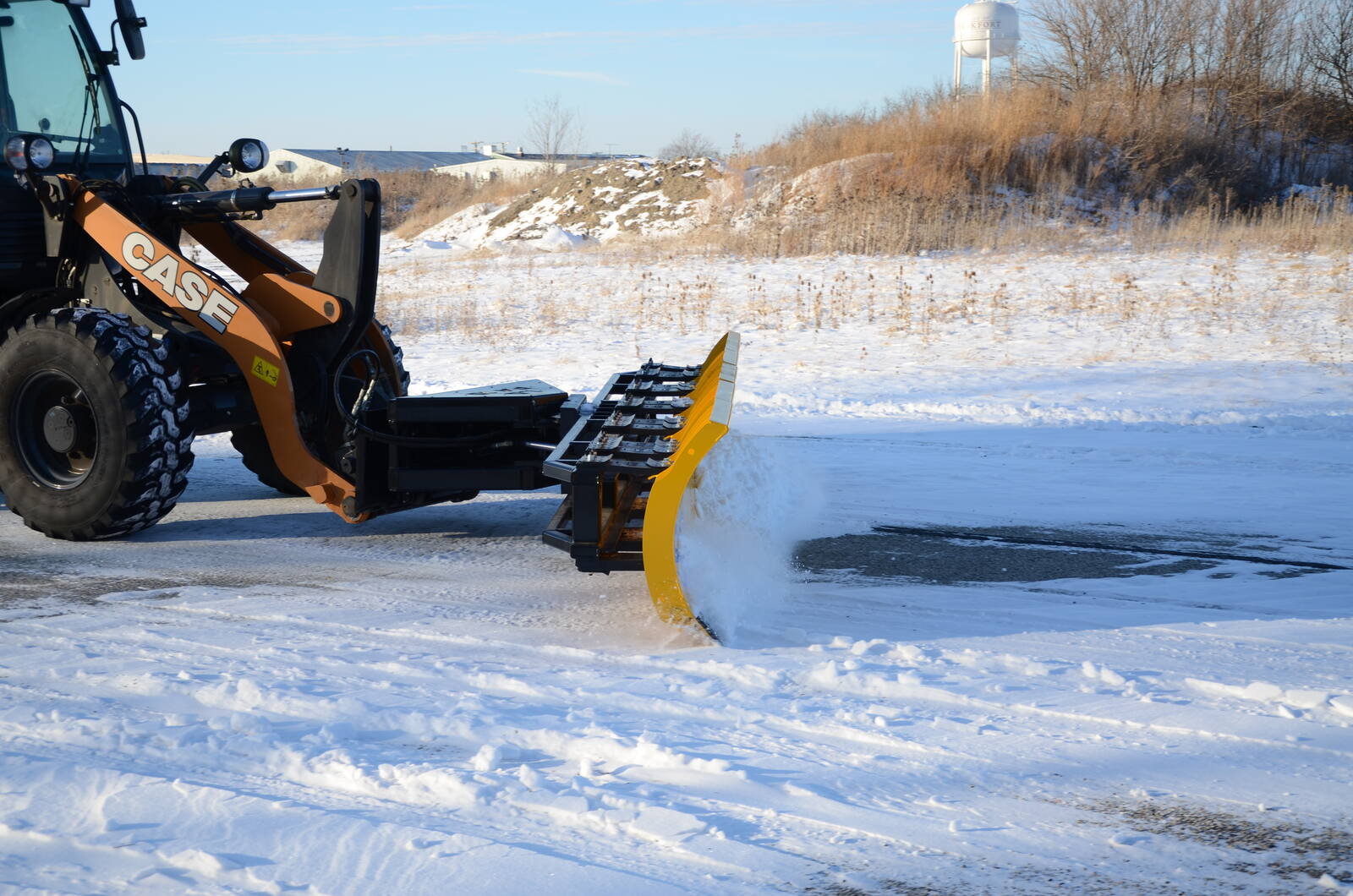
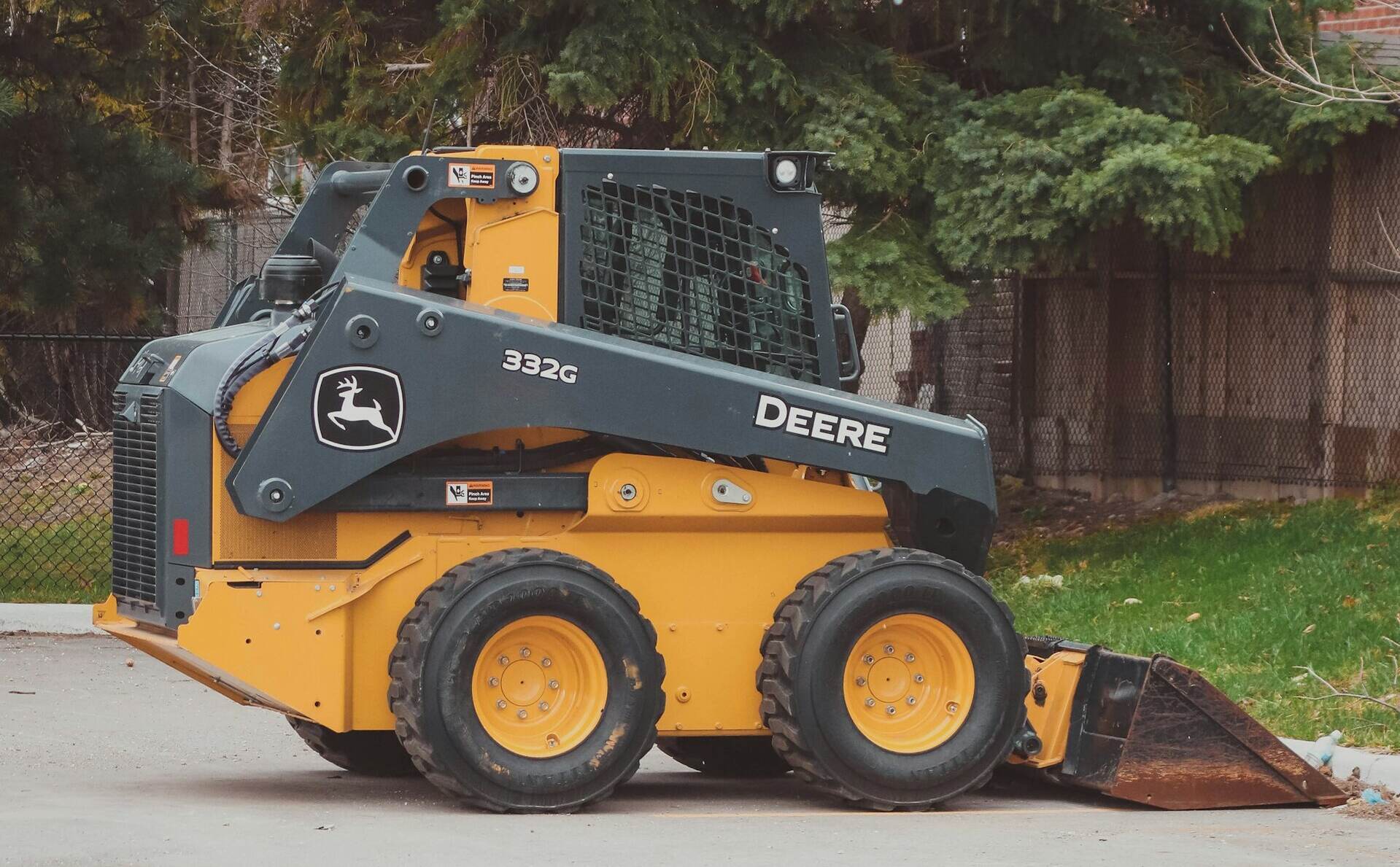
Wheel loaders are a staple on construction, industrial, and municipal job sites for one simple reason: they move material efficiently. From gravel and aggregate to snow and debris, they’re built to handle high-volume work without slowing a crew down.
We’ll cover what wheel loaders are, the different types available, common use cases, cost considerations, and how to choose the right wheel loader rental for projects across Western Canada.
Table of Contents
What Is a Wheel Loader?
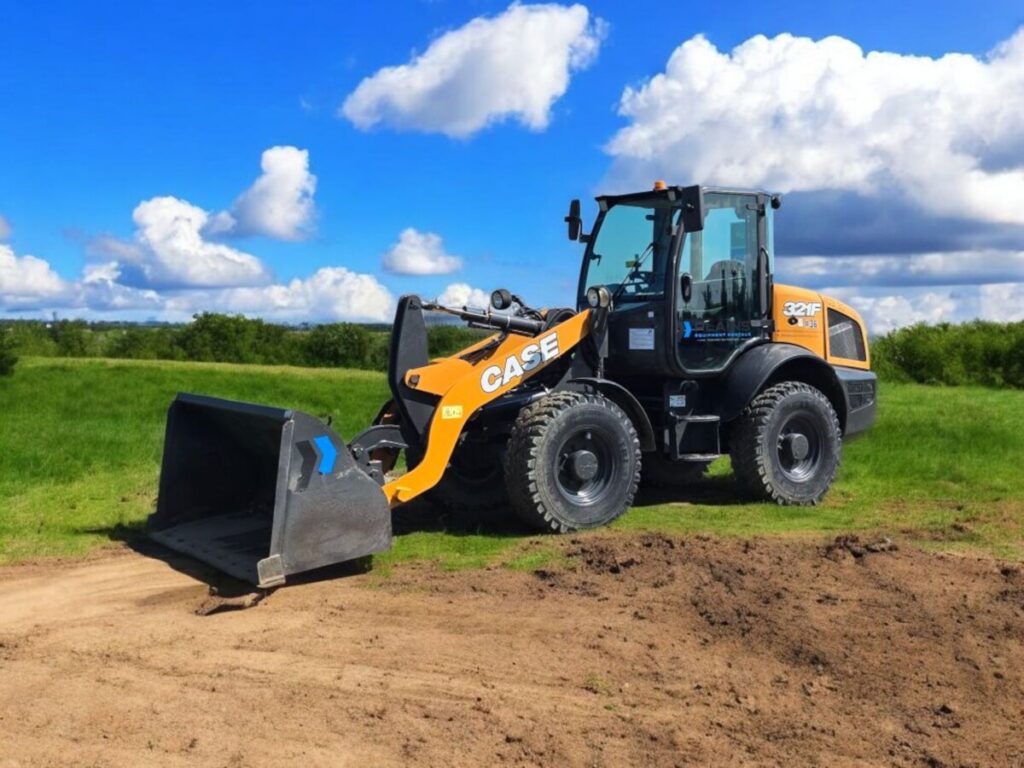
A wheel loader is a powerful piece of construction equipment designed to scoop, lift, and move loose material such as gravel, sand, soil, snow, and debris. It uses a front-mounted bucket and articulated steering, allowing it to carry heavy loads while staying maneuverable on job sites.
Wheel loaders are commonly used to:
- Load trucks
- Move material around job sites
- Stockpile aggregate
- Clear snow
- Support production work in yards and industrial facilities
They’re sometimes called front-end loaders or pay loaders, but the function is the same: fast, efficient material handling.
Unlike skid steers, wheel loaders are built for higher capacity and longer operating cycles. They excel in open areas where productivity and volume matter more than tight maneuvering.
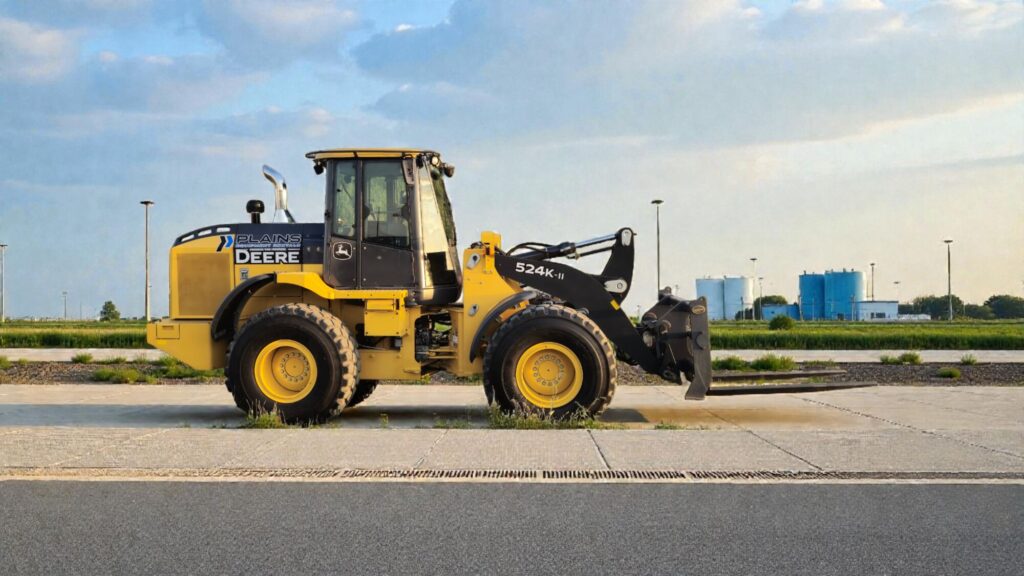
Different Types of Wheel Loaders
Wheel loaders aren’t one-size-fits-all. They’re built in different sizes to match job requirements, site constraints, and production demands. Choosing the right category matters more than choosing a brand.
Compact Wheel Loaders
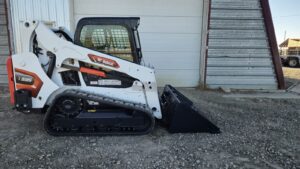
Compact wheel loaders are designed for tight spaces and lighter-duty work. They’re commonly used in urban construction, landscaping, property maintenance, and snow removal where maneuverability is critical.
Typical use cases include:
- Parking lot snow clearing
- Landscaping and material placement
- Residential and commercial sites with limited access
- Municipal maintenance work
Compact loaders are easier to transport, easier to operate in confined areas, and often run a wide range of attachments. They don’t move the same volume as larger machines, but they’re efficient where space is limited.
Small to Mid-Size Wheel Loaders
This is the most common wheel loader rental category and where most contractors spend their time.
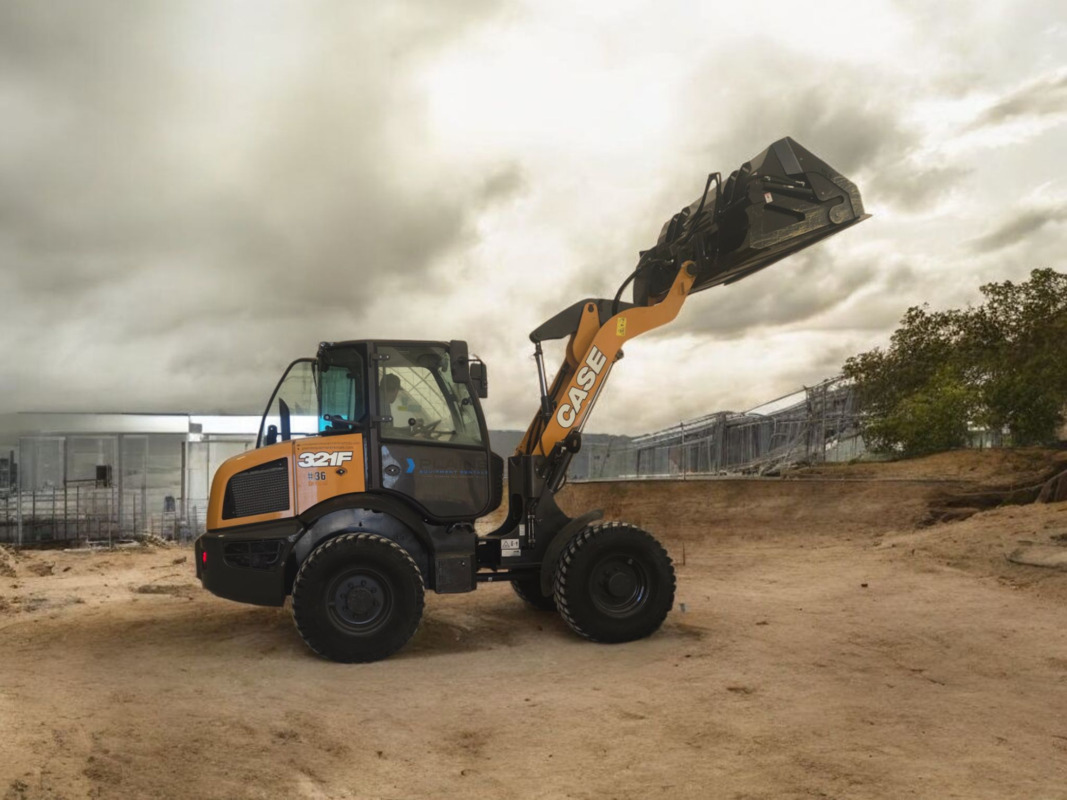
Small to mid-size wheel loaders balance capacity, versatility, and transportability. They’re large enough to handle serious material movement but still compact enough for general construction sites.
Common applications include:
- Road building and site prep
- Loading trucks with aggregate
- Commercial construction
- Municipal yards and public works
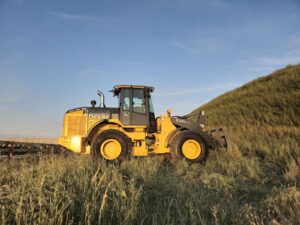
These loaders are often the best choice when you need consistent production without stepping up to a full-size machine. Models in this class are popular because they work across a wide range of jobs without being overkill.
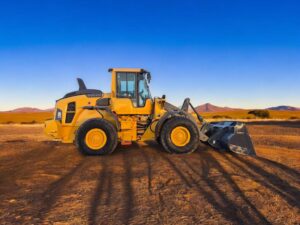
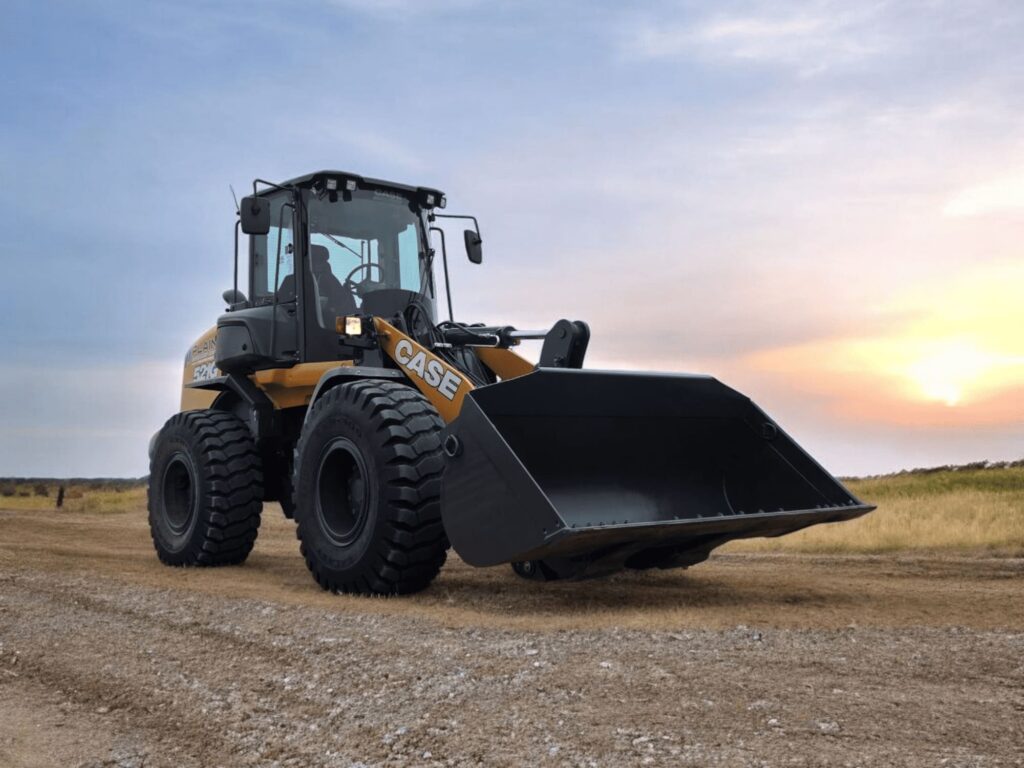
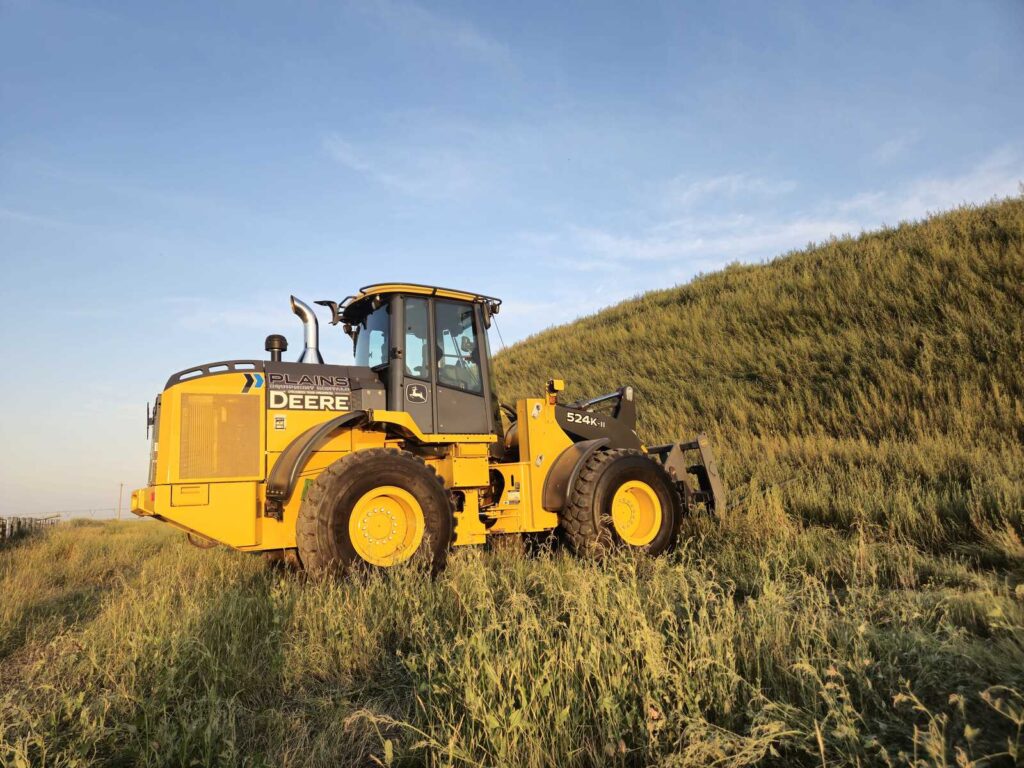
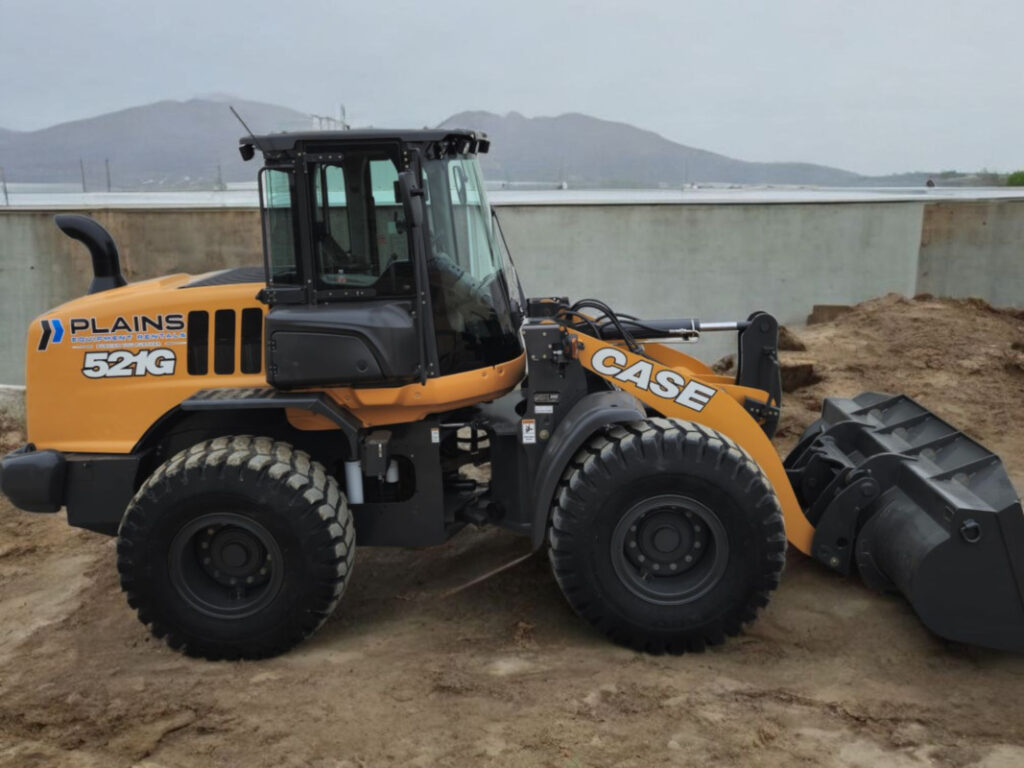
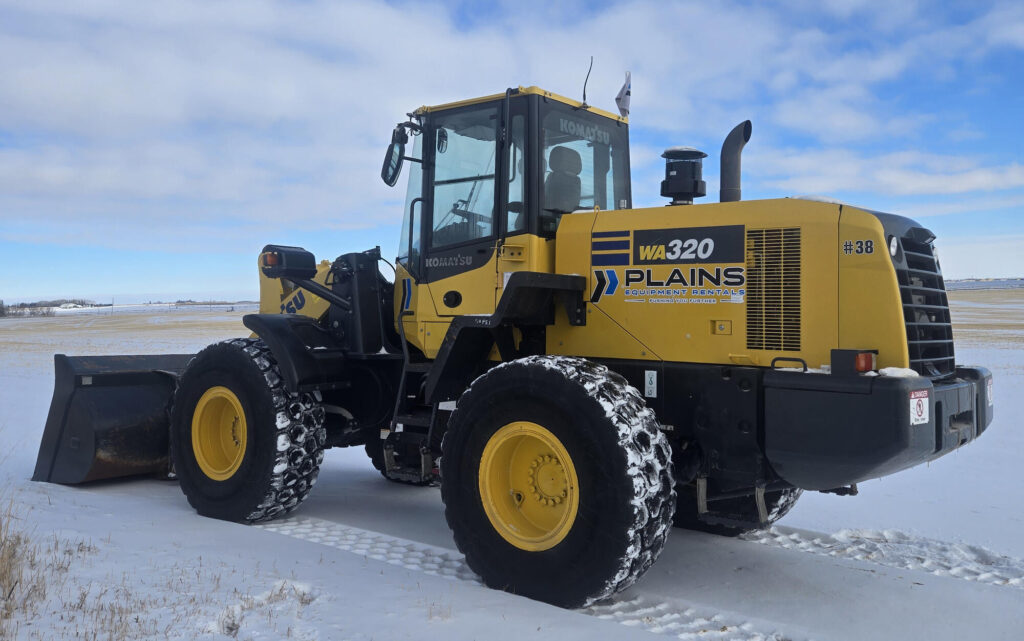
Different wheel loader model examples:
Large Wheel Loaders
Large wheel loaders are built for production. These machines are used when volume, cycle time, and breakout force matter more than maneuverability.
They’re most commonly found in:
- Aggregate pits and quarries
- Large industrial sites
- Heavy earthmoving operations
- Continuous truck loading
Large loaders move more material per pass and are designed to run long hours under load. They require more space, heavier transport, and experienced operators, but they’re unmatched for high-output environments.
For most contractors, these machines are rented for specific projects rather than owned due to cost, storage, and utilization requirements.
Choosing the Right Size Matters
Oversizing a wheel loader increases costs and reduces efficiency. Undersizing slows production and strains the machine. The right choice depends on:
- Material type and volume
- Loading height and truck size
- Site access and space
- Duration of the project
This is where experience matters. Matching the loader to the job keeps productivity high and operating costs under control.
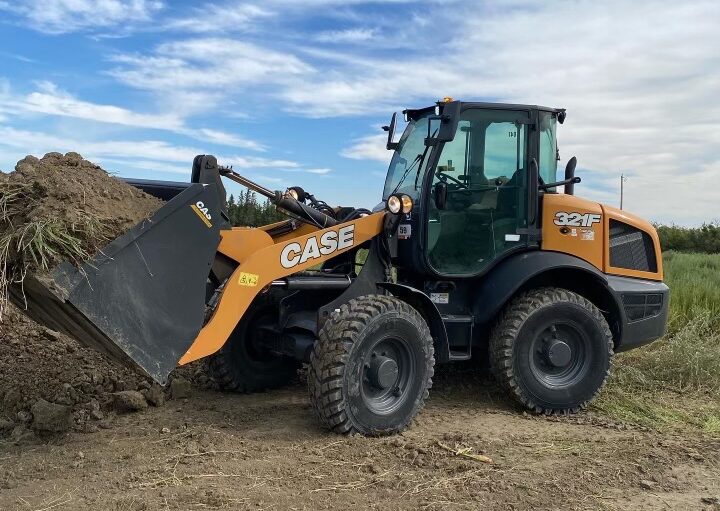
What Are Wheel Loaders Used For?
Wheel loaders are built for one primary purpose: moving material efficiently. Where there’s volume, repetition, and the need to keep crews moving, wheel loaders are usually part of the solution.
Wheel Loaders in Construction and Earthmoving
On construction sites, wheel loaders handle bulk material movement that would slow down smaller machines. They’re commonly used for:
- Loading dump trucks with gravel or soil
- Stockpiling aggregate
- Site cleanup and material relocation
- Feeding crushers or screening equipment
Their speed and lift capacity make them ideal for jobs where productivity matters more than precision.
Wheel Loaders in Municipal and Public Works
Municipal operations rely on wheel loaders year-round.
Typical uses include:
- Snow clearing and snow pile management
- Loading salt, sand, and winter materials
- Yard work at public works facilities
- Infrastructure maintenance projects
In Western Canada, wheel loaders are especially valuable during winter operations where reliability and cold-weather performance are critical.
Wheel Loaders in Industrial and Material Yards
In industrial environments, wheel loaders support continuous operations where material needs to be moved quickly and consistently.
Common applications include:
- Loading and unloading trucks
- Moving bulk materials in yards
- Supporting production lines
- Waste and recycling operations
These sites often favour mid-size or large wheel loaders due to their durability and cycle speed.
Wheel Loaders in Snow Removal and Seasonal Work
Wheel loaders play a major role in large-scale snow removal. They’re used to:
- Load snow into trucks
- Push and stack snow piles
- Support plow and blower operations
Their high lift height and bucket capacity make them far more efficient than smaller machines when dealing with heavy snowfall.
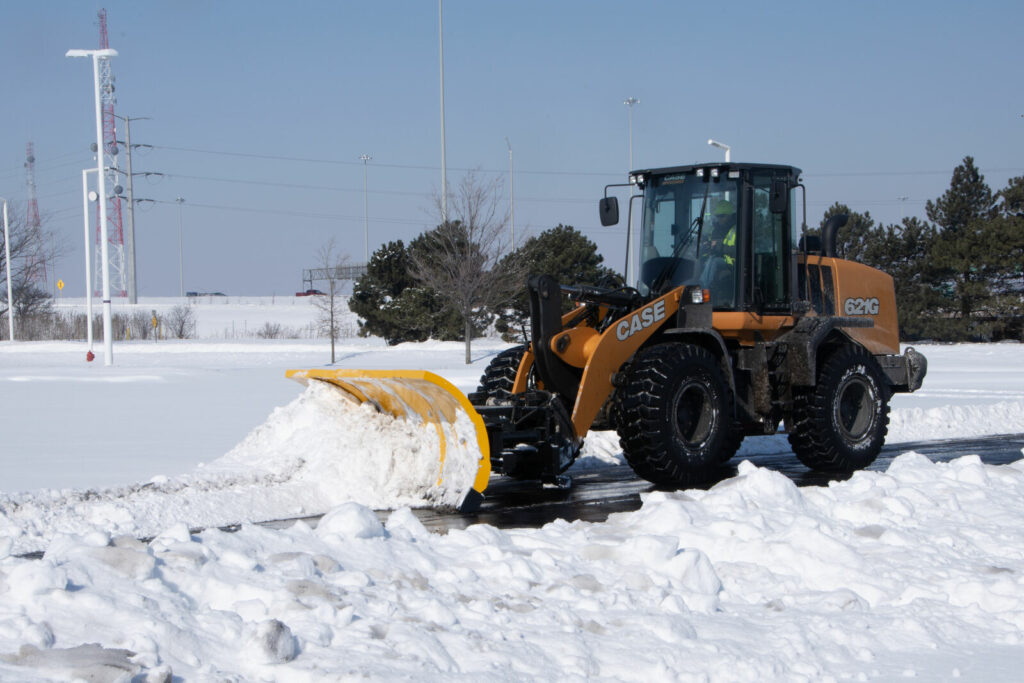
Wheel Loader Attachments and Versatility
A wheel loader’s value isn’t just the machine itself, it’s what you put on the front of it. The right attachment can turn a wheel loader from a material mover into a highly efficient, job-specific tool.
Buckets (General Purpose, High-Capacity, and Snow)
Buckets are the most common wheel loader attachment, but not all buckets are the same.
- General-purpose buckets handle gravel, soil, sand, and mixed material
- High-capacity buckets move lighter material faster, increasing production
- Snow buckets are designed for volume, not weight, making them ideal for winter operations
Choosing the right bucket improves cycle times and reduces unnecessary wear on the machine.
Forks and Material Handling Attachments
Forks turn a wheel loader into a high-capacity material handler.
They’re commonly used for:
- Palletized materials
- Pipe and bundled products
- Yard and warehouse operations
- Municipal material handling
For industrial and municipal sites, forks often see as much use as buckets.
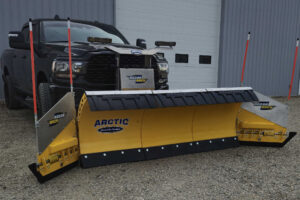
Snow Pushers, Blades, and Winter Attachments
In Western Canada, wheel loaders are critical to winter operations.
Common winter attachments include:
- Snow pushers
- Snow blades
- High-capacity snow buckets
These attachments allow wheel loaders to move and stack snow efficiently, especially in large parking lots, roadways, and snow dump areas.
Specialty and Application-Specific Attachments
Depending on the job, wheel loaders may also run:
- Grapples for waste and recycling
- Side-dump buckets
- Light material buckets for mulch or compost
- Industrial attachments for yard operations
Attachment flexibility allows one wheel loader to support multiple phases of a project without changing machines.
Why Attachment Selection Matters
Running the wrong attachment reduces productivity and increases wear. The right attachment:
- Improves cycle times
- Reduces fuel use
- Extends machine life
- Keeps operators working efficiently
This is one reason many contractors rent wheel loaders instead of owning them. Renting gives access to the right attachment for the job, not just the machine.
How Much Does a Wheel Loader Cost?
The cost of a wheel loader varies widely based on size, configuration, and condition. There’s no single price point, which is why understanding the ranges matters more than fixating on a number.
New Wheel Loader Costs
A new wheel loader is a major capital purchase.
Typical price ranges:
- Compact wheel loaders: $80,000–$150,000+
- Small to mid-size wheel loaders: $150,000–$250,000+
- Large wheel loaders: $300,000–$600,000+
Pricing increases quickly with:
- Larger buckets or specialty attachments
- High-lift configurations
- Advanced operator controls and tech packages
For many contractors, the upfront cost alone makes ownership difficult to justify unless utilization is very high.
Used Wheel Loader Costs
Used wheel loaders can reduce upfront spend, but condition matters more than age.
General ranges:
- Compact loaders: $50,000–$100,000
- Mid-size loaders: $90,000–$180,000
- Large loaders: $200,000+
Hour count, maintenance history, and application all play a role. A well-maintained machine with higher hours can be a better investment than a low-hour loader that’s been abused or poorly serviced.
The Hidden Costs of Ownership
Purchase price is only part of the equation.
Owning a wheel loader also means paying for:
- Maintenance and repairs
- Tires and wear components
- Storage and transport
- Insurance and downtime risk
These costs add up quickly, especially for machines that aren’t used consistently year-round.
Why Many Contractors Rent Instead
Renting shifts cost from a long-term commitment to a project-based expense.
Benefits include:
- No capital tied up in equipment
- No maintenance responsibility
- Access to the right size and attachments for each job
- Predictable costs
For seasonal work, short-term projects, or specialized applications, renting is often the most practical option.
Wheel Loader Life Expectancy and Hours
Wheel loaders are built to run for thousands of hours, but hour count alone doesn’t tell the full story. How a machine is maintained and used matters far more than the number on the meter.
How Many Hours Is “High” for a Wheel Loader?
For most wheel loaders:
- 0–5,000 hours is generally considered low to moderate use
- 5,000–10,000 hours is common for working machines
- 10,000+ hours is achievable with proper maintenance and rebuilds
It’s not unusual to see wheel loaders still working productively well past 10,000 hours, especially in controlled applications like yards or municipal work.
What Actually Determines Machine Life
Several factors have a bigger impact on lifespan than hours alone:
- Regular servicing and fluid changes
- Quality of maintenance and inspections
- Operator habits and training
- Type of material handled
- Load size and duty cycle
A loader moving light material at steady cycles will often outlast one pushing heavy material at full capacity all day.
Rebuilds and Mid-Life Overhauls
Many wheel loaders are designed with rebuilds in mind.
Engines, transmissions, axles, and hydraulics can be rebuilt or refreshed, extending usable life significantly. This is one reason wheel loaders hold value better than many other machines.
For contractors, this also means rental machines are often a safer bet. Well-managed rental fleets stay on top of maintenance and address wear before it becomes a problem.
Why Maintenance History Matters More Than Age
A newer loader with skipped maintenance can become a liability fast. An older loader with consistent service records is often far more reliable.
When evaluating a wheel loader, rented or owned, maintenance standards matter more than paint, branding, or model year.
How to Choose the Right Wheel Loader Rental
Choosing the right wheel loader isn’t about picking the biggest machine or the most popular brand. It’s about matching the loader to the work so productivity stays high and costs stay controlled.
Here’s what actually matters.
Match the Loader Size to the Job
Start with the work, not the machine.
Key questions:
- How much material are you moving?
- How often are you loading trucks?
- What’s the loading height?
- How much space do you have to work in?
Oversizing a loader increases rental costs, fuel use, and transport complexity. Undersizing slows production and puts unnecessary strain on the machine.
Most contractors are best served by small to mid-size wheel loaders, unless the job clearly calls for production-level output.
Consider Material Type and Density
Not all material weighs the same.
Moving snow, mulch, or wood waste is very different from moving gravel, crushed rock, or wet clay. Bucket size, breakout force, and lift capacity should be matched to material density to avoid overloading or inefficient cycles.
This is where experience matters. A loader that works well for aggregate may not be the right fit for winter operations or light material handling.
Factor in Site Conditions and Transport
Access, ground conditions, and transport logistics all play a role.
Consider:
- Site space and turning radius
- Ground conditions and traction needs
- Transport availability and load limits
A slightly smaller loader that fits the site and transports easily often outperforms a larger machine that’s awkward to move or operate.
Work With a Rental Partner Who Understands the Job
The rental company matters as much as the machine.
A good rental partner will:
- Ask the right questions
- Recommend the right size, not the most expensive option
- Ensure machines are well-maintained and work-ready
- Provide quick support if issues arise
That level of service reduces downtime and prevents costly mistakes.
Wheel Loaders Done Right
Wheel loaders are foundational machines. When they’re sized correctly, properly maintained, and matched to the job, they quietly keep projects moving and crews productive.
The challenge isn’t finding a wheel loader. It’s choosing the right one for the work in front of you, and having support behind it when it matters. Size, attachments, material type, and site conditions all play a role. Getting any of those wrong costs time and money.
Wheel Loader Rentals You Can Rely On in Western Canada
Plains Equipment Rentals works with contractors, municipalities, and industrial operators who value uptime, straight answers, and equipment that shows up ready to work.
If you’re planning a project and need a wheel loader that fits the job, we’ll help you make the right call.
We focus on keeping equipment working where it matters, on your job site.