Many contractors buy new equipment for two reasons: reliability and warranty.
The logic makes sense. New machine, fewer problems, and someone else covers the repairs.
Here’s the part no one tells you.
When that machine goes down, the warranty does not guarantee fast service. And downtime is what actually costs you money.
Table of Contents
The Warranty Myth Contractors Buy Into
Equipment warranties are sold as peace of mind. You’re told that if something goes wrong, the dealer will step in and take care of it. That belief is a big reason contractors are willing to pay premium prices for new machines.
What gets missed is how warranty service actually works in the real world.
Once the equipment is sold, the dealer has already been paid. Warranty repairs are no longer revenue, they’re an expense. That changes priorities fast. When service departments are busy, paying customers and new sales take precedence. Warranty work gets pushed down the list.
This is especially true with modern equipment. New machines are loaded with electronics, control modules, and software systems. When something fails, it’s rarely a quick fix. It often takes days or weeks just to diagnose the issue, and warranty does not move you to the front of the line.
The result is frustration contractors didn’t plan for. You bought new equipment expecting protection, but when it goes down, you’re often told, “We’ll get to it when we can.”
And while you wait, the job doesn’t.
Warranty Doesn’t Cover Downtime
When new equipment goes down, the warranty might cover parts and labour . What it does not cover is the real cost of waiting.
Crews still show up. Trucks still roll. Deadlines don’t move. A machine sitting idle for a week can cost tens of thousands of dollars, or it can cost you millions if you lose your contract due to the equipment not keeping your operation moving. None of that loss is covered under warranty.
With today’s equipment, breakdowns are rarely simple. With the new technology and complex emissions systems, this means longer diagnostics, backordered parts, and extended wait times. Even before a wrench is turned, you can lose days just waiting for someone to assess the issue.
This is where the warranty promise falls apart. It protects the dealer from the cost of the repair, not the contractor from the cost of downtime.
When a machine is critical to your operation, waiting one or two weeks for warranty service isn’t an inconvenience. It’s a major hit to productivity, schedules, and profit.
And that’s the catch no one talks about when the equipment is sold.
What’s Often Not Covered by Equipment Warranty
Even when a machine is under full factory warranty, many common jobsite costs are excluded.
In most cases, warranties do not cover:
- Ground-engaging components such as cutting edges and bucket teeth
- Hydraulic hoses, lines, and fittings
- Routine maintenance items including oil, filters, diesel exhaust fluid, and fuel
- Hydraulic pressure checks or system adjustments
- Aftermarket attachments such as sweepers, drills, hammers, saws, delimbers, and feller bunchers
- Hauling charges, travel time, mileage, overtime, or second-shift premiums
- General wear items
- Damage resulting from misuse or abuse
And while coverage varies by manufacturer, these exclusions are common across the industry.
The key takeaway is simple:
Warranty typically covers manufacturer defects. It does not cover the day-to-day realities of running equipment on an active jobsite.
Why Warranty Service Lacks Urgency
The biggest problem with equipment warranties isn’t coverage. It’s incentives.
When you buy new equipment, the dealer gets paid upfront. Once the sale is complete, your warranty claim becomes a cost, not a revenue stream. There is no direct financial pressure to move fast, especially when service departments are already overloaded.
At the same time, dealers are focused on new sales and paid service work. Those customers are actively generating revenue. Warranty repairs are not. So when resources are limited, priority naturally goes to the work that keeps money coming in.
That’s why contractors so often hear the same response: “We’ll get to it when we can.”
It’s not personal. It’s how the system is structured.
Even if the dealer wants to help, warranty work competes with higher-margin, higher-priority jobs. The result is slower response times and longer waits, especially during peak seasons when service departments are stretched thin.
For contractors who depend on uptime, this creates a serious problem. You paid for protection, but the protection doesn’t come with urgency. And urgency is what keeps your operation moving.
Why Rental Service Works Differently
Rental service is driven by a different set of incentives.
When equipment is rented, uptime directly affects revenue. Machines that sit broken don’t just create frustration, they create risk.Cost of replacement, lost renewals, lost trust, and lost future work. That reality changes how the best rental companies approach service.
Unlike warranty repairs, which are often treated as a cost after the sale, rental support is closely tied to keeping customers operational. In many cases, that means faster response times, more flexibility, and a stronger push to resolve issues quickly, because it’s in the rental company’s best interest to do so, not just the customers.
That urgency isn’t accidental. It’s built into the rental model. If support is slow or unreliable, contractors don’t come back.
That said, not all rental companies operate the same way.
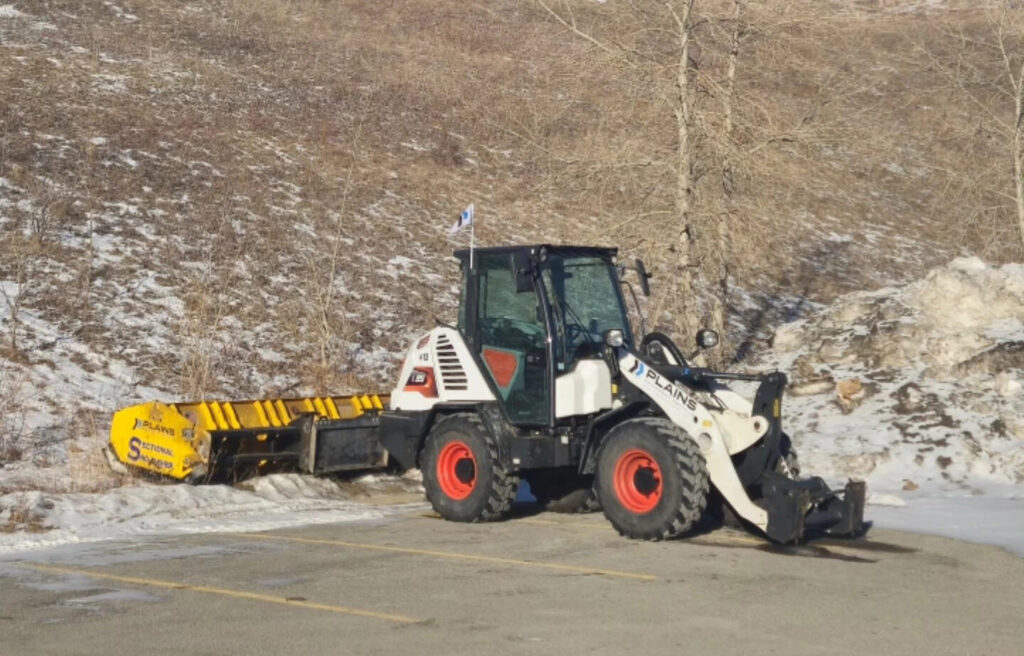
At Plains Equipment Rentals, uptime is treated as non-negotiable. When a call comes in, the focus is on getting the issue resolved fast. Whether that’s dispatching a mechanic, preparing parts ahead of time, or lining up equipment to replace the down unit, the goal is simple: keep the customer happy and resolve the issue quickly as possible.
When uptime is the priority, service speed matters more than a warranty on paper.
The Question Contractors Should Actually Ask
The real decision isn’t whether a machine comes with a warranty.
It’s whether your operation can afford to wait when something goes wrong.
A warranty might cover the repair, but it doesn’t cover idle crews, missed deadlines, or the pressure that comes with a machine sitting dead on a jobsite. When uptime matters, service speed is what protects your bottom line.
That’s why many contractors are rethinking what “protection” really means. Not ownership. Not paperwork. But knowing that when a problem happens, someone is motivated to move immediately.
At Plains Equipment Rentals, uptime isn’t a talking point. It’s how we get paid. When our equipment is down, we move fast because your operation depends on it, whether we have to talk through the issue over the phone, dispatch a local mechanic, come out on on a Saturday, or arrange a replacement while the current machine is getting fixed, we’re on it.
One call. One point of contact. No waiting for “when we get a chance.”
If your next decision comes down to warranty versus uptime, make sure you’re choosing the one that is most important for your organisation.