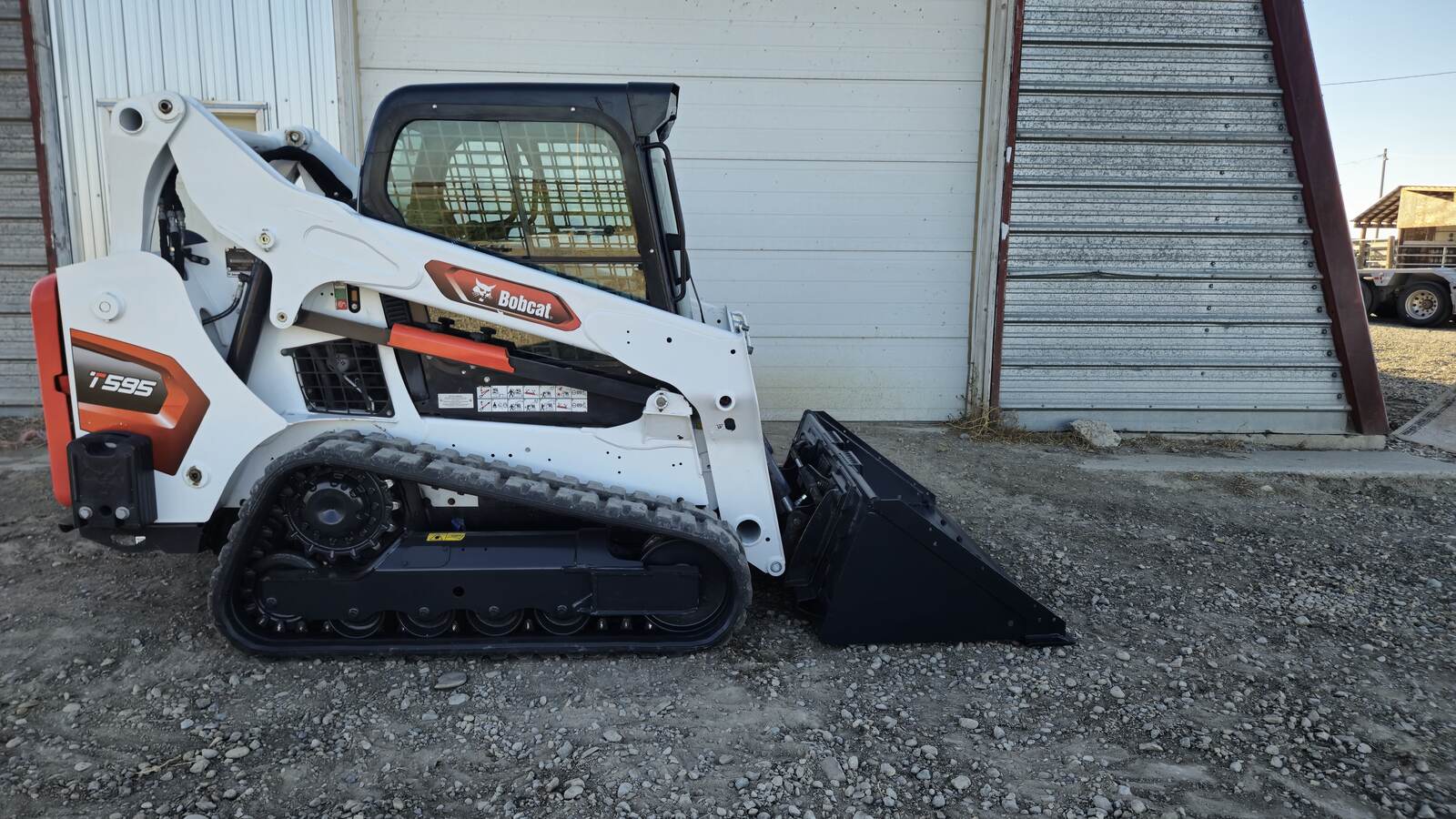
If you’ve spent any time on a job site, you’ve heard it. Someone asks for a skid steer, and someone else says, “Grab the Bobcat.” Even when the machine isn’t a Bobcat at all. That’s not an accident. Bobcat didn’t just become a popular brand, they invented the skid steer and shaped the entire category that contractors rely on today.
Since the late 1950s, Bobcat skid steers have earned a reputation for being compact, versatile, and tough enough for real work. That’s why they’re everywhere. Construction sites. Municipal yards. Landscaping crews. Snow removal operations. When space is tight and downtime isn’t an option, Bobcat is often the default choice.
If you’re a contractor, municipality, or industrial operator working in Western Canada, this is the kind of information that helps you make smarter equipment decisions — whether you’re renting, buying, or just trying to understand why Bobcat keeps showing up on every job site.
Table of Contents

A Quick History of Bobcat Skid Steers
Bobcat didn’t follow the skid steer market. They created it.
In 1958, a Minnesota farmer needed a small machine that could work inside tight poultry barns. What came out of that problem was the first true skid steer loader — compact, maneuverable, and capable of doing real work in spaces where tractors and loaders couldn’t fit. That machine became the foundation of the Bobcat brand.
By the early 1960s, Bobcat was producing skid steers commercially, and contractors quickly figured out their value. These machines could turn within their own footprint, run multiple attachments, and replace several pieces of equipment on a job site. At a time when space, labor, and efficiency were becoming bigger concerns, Bobcat filled a gap no one else had addressed.
As construction, landscaping, and municipal work evolved, Bobcat evolved with it. They refined hydraulic systems, expanded attachment options, increased lift capacities, and introduced different frame sizes to match different job requirements. Instead of building one “do-it-all” machine, Bobcat built a lineup that could handle everything from tight residential work to heavy material handling.
That long head start matters. Decades of real-world feedback from contractors shaped how Bobcat machines are built today. It’s why the controls feel familiar, why parts availability is strong, and why mechanics know how to work on them. It’s also why “Bobcat” became shorthand for skid steer in the first place.
Today, Bobcat skid steers are still a fixture on job sites because they’ve proven one thing consistently: they work. Not because of marketing. Not because of trends. But because contractors trust them to start in the morning, run all day, and handle whatever attachment the job requires. That kind of reputation isn’t bought. It’s earned over time, one job site at a time.

What Makes Bobcat Skid Steers Different
Bobcat didn’t become the industry standard by accident. The machines are designed around real job-site problems: tight spaces, changing tasks, long days, and zero tolerance for downtime. These are the core reasons Bobcat skid steers continue to stand out.
Versatility and Attachment Ecosystem
Bobcat skid steers are built to do more than one job, and that’s where they earn their keep.
Bobcat helped standardize the quick-attach system that most skid steer attachments still use today. That means a single machine can switch from a bucket to pallet forks, an auger, a breaker, a snow blower, or a sweeper in minutes. No custom mounts. No adapters. No downtime waiting for the “right” machine to show up.
For contractors and municipalities, this matters. One skid steer can handle site prep in the morning, material handling mid-day, and cleanup before crews head home. Instead of tying up capital in multiple machines, Bobcat gives operators a flexible platform that adapts to the job.
This is one of the main reasons Bobcats dominate rental fleets. When timelines change or scopes shift, a versatile machine keeps projects moving instead of forcing workarounds.
Size Range and Model Variety
Not every job needs the same skid steer, and Bobcat understands that.
Bobcat offers one of the widest skid steer lineups on the market, from small-frame machines that fit through gates and tight access points, to large-frame models capable of handling serious lift and breakout force. That range allows contractors to choose based on job requirements, not brand limitations.
Small-frame Bobcats are common in landscaping, residential construction, and indoor work where maneuverability matters more than raw power. Mid-size models strike a balance between lift capacity and compact footprint, making them the most popular choice for general construction. Large-frame skid steers are built for heavier material handling, roadwork, and production-focused jobs.
This variety reduces compromise. You’re not forcing a machine to do work it’s not designed for, which improves efficiency, safety, and machine longevity.
Operator Experience and Cab Design
A skid steer can have all the power in the world, but if it’s miserable to run, productivity drops fast.
Bobcat has steadily improved operator comfort and visibility over the years. Newer models feature larger windows, better sightlines to the cutting edge and attachment, pressurized cabs, and quieter operation. Controls are intuitive and familiar, which matters when multiple operators share the same machine.
For long days, this makes a real difference. Reduced fatigue means better precision, fewer mistakes, and safer operation — especially in tight or congested job sites.
It’s also one reason operators tend to prefer Bobcat when given the choice. Familiar controls, predictable handling, and a comfortable cab reduce learning curves, and just the right amount of technology to be helpful and not annoying.

Bobcat Skid Steer Reliability: What the Data and Job Sites Say
Reliability is the reason Bobcat earned its reputation in the first place. Contractors don’t keep using the same brand for decades unless the machines hold up under pressure. When you look past marketing and into real job-site use, Bobcat skid steers have a consistent track record of doing exactly what they’re supposed to do: show up, run hard, and keep working.
Longevity and High-Hour Performance
It’s common to see Bobcat skid steers still working with thousands of hours on the meter. In many cases, 4,000 hours isn’t the end of the road, it’s just mid-life, assuming the machine has been maintained properly.
That longevity comes from straightforward design and proven components. Bobcat hasn’t chased flashy, over-complicated systems that look good on paper but struggle in the field. Instead, they’ve refined what works: solid hydraulics, durable frames, and engines known for reliability.
On real job sites, that translates into machines that can handle daily abuse without constant downtime. Contractors trust Bobcats because they know the machine won’t become a liability halfway through a project.
Resale Value and What It Says About Durability
Resale value is one of the clearest indicators of real-world durability.
Bobcat skid steers consistently hold their value better than most competitors. Even high-hour machines with documented maintenance histories are in demand. That doesn’t happen unless buyers believe the machine still has life left in it.
Strong resale value reflects three things:
- Quality engineering
- Parts and service are readily available at a reasonable price point
- Operators are comfortable running them
Why Bobcats Are Common in Rental Fleets
Rental fleets are hard on equipment. Machines see different operators, different job types, and little margin for mechanical issues. If a skid steer can’t handle that environment, it doesn’t stay in a fleet very long.
Bobcats are common in rental fleets for a reason. They’re predictable, durable, and familiar to most operators. That reduces training time, misuse, and breakdowns, all critical factors when uptime matters.
From a rental perspective, Bobcats strike a balance between performance and survivability. They can handle varied applications without constant repairs, which is exactly what contractors expect when they rent a machine and put it straight to work.
Realistic Expectations on Maintenance and Wear
No skid steer is maintenance-free. Bobcats aren’t an exception, and pretending otherwise would be dishonest.
Wear items like pins, bushings, tires or tracks, and hydraulic hoses still need attention. Machines that are pushed hard without proper maintenance will fail, regardless of brand. The difference with Bobcat is that maintenance requirements are well understood, parts are accessible, and repairs are straightforward.
When serviced properly, Bobcat skid steers tend to age predictably. There are fewer surprises, fewer catastrophic failures, and more usable life compared to machines that rely heavily on complex electronics or unproven systems.
That predictability is a big reason contractors trust the brand. It’s easier to plan around a machine you understand than one that looks advanced but behaves unpredictably under stress.

How Much Does a Bobcat Skid Steer Cost?
The price of a Bobcat skid steer depends heavily on size, model, and condition.
As a rough guideline:
- New Bobcat skid steers typically range from $72,000 to upwards of + $171,000 CAD
- Used machines can range anywhere from $25,000 to $80,000, depending on hours, condition, and attachments
Smaller-frame models cost less. Large-frame or high-flow hydraulic machines cost more. Cab options, control packages, and attachments also drive the price up quickly.
That price spread exists because Bobcat builds skid steers for very different applications. A machine built for tight residential work isn’t priced the same as one designed for heavy material handling on commercial sites.
This is also why many contractors choose to rent. It avoids tying up capital in a machine that may only be used seasonally or for specific jobs.
Is 4,000 Hours a Lot for a Bobcat Skid Steer?
Not necessarily.
For a Bobcat skid steer, 4,000 hours is often considered mid-life, not end-of-life, assuming the machine has been properly maintained.
What matters more than the hour count:
- Regular servicing and fluid changes
- Proper operation (not abused or overloaded)
- Timely replacement of wear components
A well-maintained Bobcat with 4,000 hours can be a better machine than a neglected one with half that. Bobcats are known for predictable wear patterns, which makes them easier to evaluate and maintain over time.
Hours tell part of the story. Maintenance history tells a lot more!
Do You Need a License to Operate a Bobcat?
In Canada, you do not need a specific “Bobcat license” to operate a skid steer.
However:
- Employers are responsible for ensuring operators are trained and competent
- Operators must follow workplace safety regulations
- Additional site-specific training may be required (especially on industrial or municipal sites)
Most contractors handle this through internal training, manufacturer guidance, or third-party safety programs. The key requirement isn’t a license, it’s demonstrated competency and safe operation.
If an operator causes an incident, lack of training becomes the employer’s liability.
What Are Common Bobcat Skid Steer Problems?
Most issues with Bobcat skid steers fall into one of two categories: normal wear or maintenance-related problems.
Common wear and consumable items include:
- Pins and bushings
- Tires or tracks
- Hydraulic hoses and belts
- Filters and seals
These are expected over time and are not design flaws.
More serious problems typically come from:
- Skipped maintenance
- Contaminated fuel, DEF or Hydraulic systems
- Overloading or improper attachment use
Bobcats don’t tend to suffer from widespread catastrophic failures when maintained correctly. Their systems are well understood, parts are readily available, and most repairs are straightforward.
When problems do show up, they’re usually predictable, not sudden surprises. That predictability is a big reason contractors continue to trust the brand.
Bobcat vs Other Skid Steer Brands
There’s no shortage of skid steer brands on the market, and most of them can get work done. The difference is how they do it, where they perform best, and what trade-offs come with each option.
Bobcat is often the benchmark, but it’s not automatically the best choice for every job. Here’s how it stacks up against other major brands contractors commonly compare it to.
Bobcat vs CAT
CAT skid steers are built with heavy construction in mind. They’re solid, powerful, and designed to handle sustained production work.
Where CAT tends to win:
- Heavier build and strong lift performance
- Smooth hydraulic response under load
- Cab layout and controls
- Noise and comfort
Where Bobcat has the edge:
- Access to more cost-effective machines and parts
- Broader model and different options to match your situation
- Easier resale
- Typically lower upfront cost
In practice, CAT machines shine on large commercial and industrial sites where the operators or owners have certain preferences. Bobcat tends to be the better fit for contractors who need cost-effective equipment and easy access to parts and support.
If CAT feels like a production hammer, Bobcat feels like a one-size-fits-all.
Bobcat vs Kubota
Kubota entered the skid steer market later than Bobcat, but they earned trust quickly, especially among landscapers and agricultural operators.
Where Kubota tends to win:
- Simple, clean machine design
- Excellent engine reliability
- Doors that open upwards instead of swinging open
- For operators that need to access the cab with the loader arms up
Where Bobcat has the edge:
- Much wider model lineup
- More different options
- Better fit for fine-tune grading tasks
- Longer track record specifically in skid steers
Kubota machines are straightforward and easy to operate. One of the most attractive selling features of the Kubota is the door style. Bobcat, on the other hand, offers more flexibility across job types and scales better into heavier applications.
If your work is mostly landscaping or light site work, Kubota makes sense. If your work changes week to week, Bobcat usually fits better.
Bobcat vs Case
Case skid steers are known for raw strength and breakout force. They’re built to push, dig, and move material aggressively.
Where Case tends to win:
- Strong breakout force
- Stable feel under load
- Good performance in a fast-moving environment
- Ride control features that smooth material handling
Where Bobcat has the edge:
- Better visibility and cab ergonomics
- More compact overall design
- Controls are generally more refined
- Broader familiarity among operators
Case machines are often favoured for roadwork, site prep, and applications where pushing power matters most. Bobcat tends to be preferred when jobs require precision, fine-tune grading and smooth controls.
Case leans toward brute force. Bobcat leans toward balance.
The Real Takeaway
There’s no single “best” skid steer brand.
The best machine is the one that:
- Matches your job type
- Fits your budget
- Has local parts and dealer support
- Keeps downtime to a minimum
Bobcat earns its reputation because it performs well across a wide range of applications. Not because it dominates every category, but because it rarely puts contractors in a bad position.
That versatility is why Bobcat continues to be a safe, proven choice, especially for contractors who don’t do the same job twice.
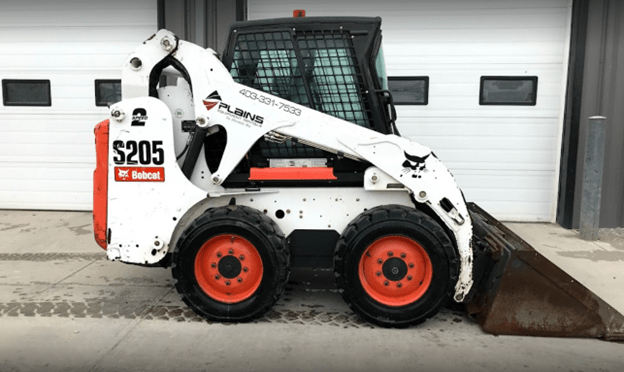
When a Bobcat Skid Steer Makes Sense, and When It Doesn’t
Bobcat skid steers are popular because they work well in a lot of situations. But no machine is perfect for every job. Knowing where a Bobcat excels, and where another machine might be a better fit, is what separates smart equipment decisions from expensive mistakes.
Where Bobcat Skid Steers Excel
Bobcat skid steers perform best in environments where versatility, maneuverability, and efficiency matter more than brute force alone.
Construction and Earthmoving
Bobcats are a strong fit for general construction work like site prep, backfilling, grading, material handling, and cleanup. Their compact footprint makes them ideal for urban and commercial sites where space is limited but productivity still matters.
Mid-size and large-frame Bobcats offer enough lift and breakout force for most construction tasks without the size and transport challenges of larger machines.
Landscaping and Property Work
This is where Bobcat really earns its reputation. Tight access, finished surfaces, and frequent attachment changes are common in landscaping. Bobcat skid steers handle all three well.
Small- and mid-frame models can fit through gates, work close to structures, and switch from buckets to forks to augers quickly. Operators also appreciate the visibility and control when doing precise grading or material placement.
Municipal and Snow Removal Applications
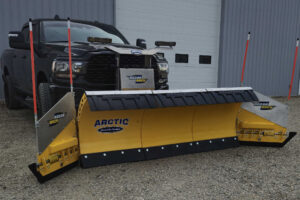
Municipal crews rely on Bobcat skid steers for sidewalk clearing, parking lots, yard work, and seasonal tasks. Their ability to run snow blowers, pushers, brooms, and buckets makes them extremely useful year-round.
In winter conditions, Bobcats are compact enough for tight areas but powerful enough to move serious snow. Add a heated cab and the right attachment, and they become a dependable municipal workhorse.
Tight Access and Multi-Task Job Sites
If a job requires one machine to do many things in limited space, a Bobcat skid steer is hard to beat. This is especially true for contractors juggling changing scopes, short timelines, or multiple crews on the same site.
One machine. Multiple attachments. Minimal downtime.
Where a Bobcat Skid Steer May Not Be the Best Choice
Just as important as knowing where Bobcat works well is knowing when to look at something else.
Soft Ground or Poor Ground Conditions
Wheeled skid steers struggle on soft, muddy, or sandy ground. In these conditions, a Bobcat compact track loader is often the better choice due to lower ground pressure and better traction.
Trying to force a wheeled skid steer to work in mud usually leads to ruts, lost productivity, and frustration.
Heavy, Continuous Production Work
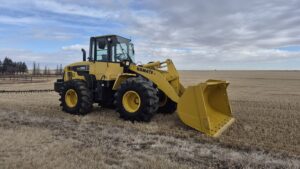
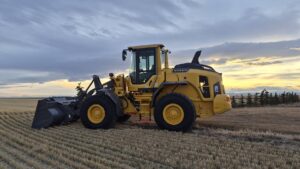
For nonstop production environments — like large-scale earthmoving or aggregate handling — a skid steer may not be the most efficient tool. In these cases, a wheel loader or larger machine can move more material faster with less wear.
Bobcats can handle heavy work, but they’re not designed to replace dedicated production machines over long cycles.
Jobs Better Suited to Larger Equipment
Some tasks simply demand more lift height, reach, or capacity than a skid steer can provide. Loading high-sided trucks, moving extremely heavy pallets, or long-distance material transport are examples where a wheel loader makes more sense.
Using the right machine for the job isn’t a weakness, it’s how you protect productivity and equipment life.

Renting vs Buying a Bobcat Skid Steer
Bobcat skid steers are proven machines. That part isn’t up for debate. The real decision most contractors face isn’t which brand to choose, it’s whether owning one actually makes sense for how they work.
For many, renting is the smarter move.
Why Many Contractors Rent Instead of Own
Owning a skid steer ties up capital, adds maintenance responsibility, and locks you into one machine, even when the job changes.
Renting gives flexibility. You get the machine you need for the work in front of you, without carrying the cost when it’s sitting idle. That matters for contractors whose workload shifts between projects, seasons, or job types.
It also removes risk. No unexpected repair bills. No downtime waiting on parts. No worrying about resale value down the road. When a machine is done its job, it goes back, clean break.
That’s why skid steers are one of the most commonly rented pieces of equipment in construction.
Seasonal Work and Capital Preservation
In Western Canada, equipment demand is rarely consistent year-round.
Construction ramps up in warmer months. Landscaping is seasonal. Snow removal peaks hard, then drops off. Buying a Bobcat skid steer means carrying payments, storage, and maintenance costs even when the machine isn’t earning.
Renting keeps capital available for what actually grows the business — labor, materials, and bidding new work. Instead of sinking money into a depreciating asset, contractors can scale equipment use up or down based on demand.
For municipalities and industrial operators, rental also simplifies budgeting. Equipment costs stay predictable, and fleet size can expand temporarily without long-term commitments.
Try-Before-You-Buy Logic
Even contractors who plan to own often start by renting.
Renting lets you test:
- Different Bobcat models and frame sizes
- Wheeled vs tracked machines
- High-flow vs standard hydraulics
- Attachment combinations in real conditions
Specs on paper don’t tell the full story. How a machine feels on your job site, with your operators, doing your work, that’s what matters.
Renting removes the guesswork. If a machine fits your operation, great. If it doesn’t, you’re not stuck with it.
Bobcat’s Place on Western Canadian Job Sites
Bobcat skid steers didn’t earn their reputation through marketing. They earned it by showing up on job sites year after year and doing the work they were built for.
They’re reliable without being complicated. Versatile without being fragile. Familiar to operators, mechanics, and contractors alike. That combination is why Bobcat continues to be a safe, proven choice across construction, landscaping, municipal, and industrial work in Western Canada.
Just as important, Bobcat machines are predictable. Contractors know what they’re getting, how the machine will behave, and what it can realistically handle. That predictability reduces downtime, keeps crews productive, and helps jobs stay on schedule.
That said, the brand is only part of the equation.
A Bobcat skid steer is only as good as the condition it’s kept in and the support behind it. Maintenance standards, attachment availability, and response time matter just as much as the logo on the side of the machine. That’s where the rental partner makes the difference.
The right partner focuses on uptime, not upsells. On straight answers, not fine print. On matching the right machine to the job instead of pushing whatever happens to be available.
When those pieces line up, Bobcat skid steers do exactly what they’ve always done best: keep work moving without becoming a problem.

Need a Bobcat Skid Steer You Can Rely On In Western Canada?
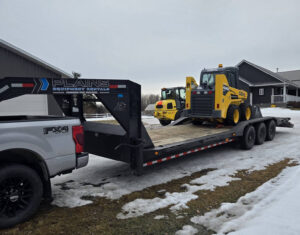
If you’re planning a project and need a skid steer that’s ready to work, not something that’s been sitting or passed around, Plains Equipment Rentals can help.
We’re contractor-owned, transparent, and focused on keeping machines running where it counts: on your job site.
We’ll help you get the right machine, in the right condition, for the work you’re doing without the corporate runaround.